
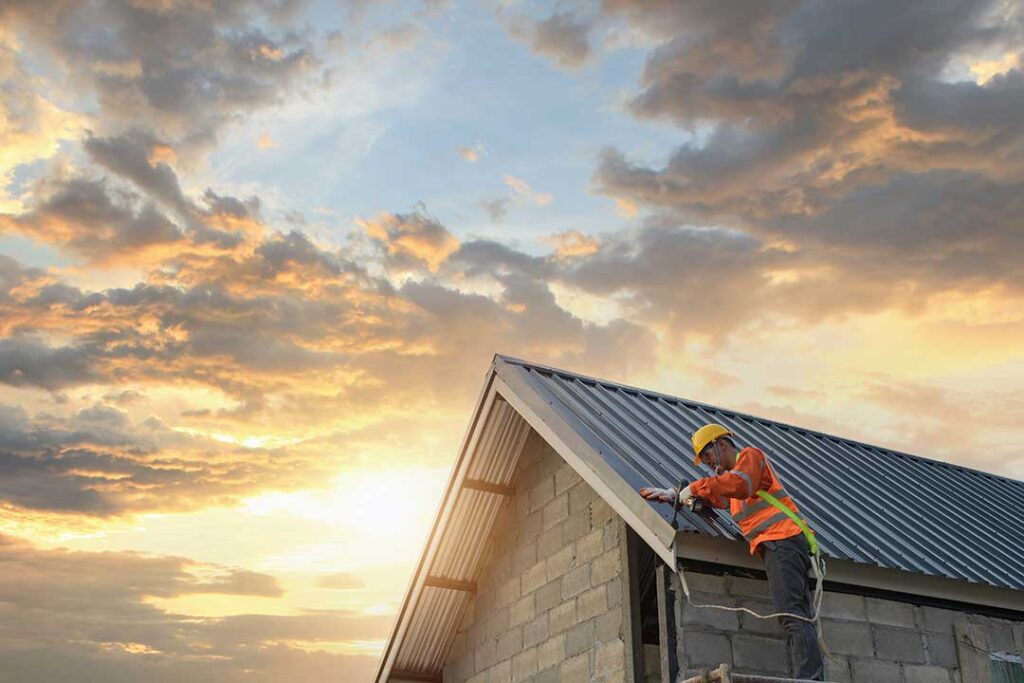
Weather affects a roof gradually and sometimes suddenly. In Boonville, NY, repeated snow, freezing temperatures, ice, wind, rain, and summer heat can weaken roofing materials, increase moisture exposure, and create problems that are easy to miss from the ground.
Understanding how each season affects a roof helps residents recognize early warning signs and reduce avoidable damage.
How does winter weather affect a roof?
Winter usually creates the greatest combination of stress because roofing materials must handle snow weight, freezing temperatures, ice formation, and repeated thawing.
Snow itself is not always harmful. A properly designed roof can usually carry ordinary seasonal snowfall. The concern increases when snow becomes wet and heavy, accumulates unevenly, or remains on the roof through several storms.
Common winter effects include:
- Added structural weight: Wet snow weighs considerably more than light, powdery snow. Large accumulations can place stress on rafters, roof decking, and supporting walls.
- Frozen roofing materials: Shingles and other coverings become less flexible in cold weather. Walking on them or performing rough snow removal can cause cracking or surface damage.
- Ice dams: Heat escaping through the upper part of a home can melt snow from below. The water may refreeze near colder roof edges, creating a ridge of ice that blocks drainage.
- Freeze-thaw movement: Water enters small cracks or gaps, freezes, expands, and widens the opening. This process can damage flashing, masonry near the roofline, and aging roofing materials.
Ice dams are often misunderstood. They are usually related to uneven roof temperatures, insulation, air leakage, ventilation, and weather conditions—not simply to the amount of snow on the roof. Removing visible snow may provide temporary relief, but it does not correct the underlying heat-loss pattern.
What damage can ice and freezing temperatures cause?
Freezing conditions can turn small maintenance issues into active leaks. Water may enter around flashing, vents, chimneys, skylights, or roof edges and then freeze before reaching the interior.
The expansion of ice can loosen fasteners, separate sealants, and widen existing cracks. Repeated freezing and thawing may also cause roofing materials to curl, split, or lose their protective surface.
Inside the home, warning signs may include:
- Brown or yellow ceiling stains
- Damp attic insulation
- Peeling paint near upper walls
- Drips that appear during thawing weather
- Musty odors in attic areas
- Frost or visible moisture on roof sheathing
A leak that appears during a warm spell may have started weeks earlier. Water can travel along roof decking, rafters, insulation, or wiring before becoming visible indoors.
How do wind and winter storms affect roofing?
Wind can damage a roof even when there is no obvious storm debris. Strong gusts may lift shingle edges, loosen flashing, separate ridge caps, or expose underlayment. Once a small section is lifted, later wind and water can enlarge the affected area.
Heavy snow and ice can also bring down branches. Even a small branch may puncture shingles, crack a vent, damage flashing, or create a depression in the roof surface.
After a major storm, a ground-level inspection can look for:
- Missing or displaced shingles
- Shingle pieces in the yard or near foundation areas
- Bent or loose metal flashing
- Exposed dark underlayment
- Damaged gutters or downspouts
- Fresh dents, holes, or broken roof accessories
- Tree limbs resting on or near the roof
Do not climb onto a roof covered with ice, snow, or wet debris. The safest approach is to inspect from the ground, attic, and upper interior spaces unless conditions are dry and stable.
Does spring rain create roof problems?
Spring rain often reveals damage caused during winter. Meltwater and rainfall may enter openings that were hidden under snow or ice. Heavy rain also tests the roof’s drainage system, including valleys, gutters, downspouts, and flashing.
A roof may appear intact while water enters through a small weakness around a vent or roof edge. Persistent moisture can damage wood decking, reduce insulation performance, and contribute to mold growth.
Spring is also a useful time to look for:
- Granules collecting in gutters or at downspout outlets
- Sagging sections of roof decking
- Loose or corroded flashing
- Water marks in attic spaces
- Gutter overflow during rainfall
- Moss or organic growth holding moisture against roofing materials
Moss does not automatically mean a roof is failing, but it can keep surfaces damp and make inspection more difficult. Growth near shaded roof sections may point to drainage or moisture-retention conditions that deserve attention.
How does summer heat affect a roof?
Summer weather can cause expansion, drying, and accelerated aging. Dark roofing surfaces may become much hotter than the surrounding air, especially during periods of strong sunlight.
Repeated heating and cooling can make materials expand and contract. Over time, this movement may contribute to:
- Cracked or brittle shingles
- Deteriorated sealants
- Loose flashing
- Warped roof decking
- Dry, damaged attic insulation
- Premature aging around roof penetrations
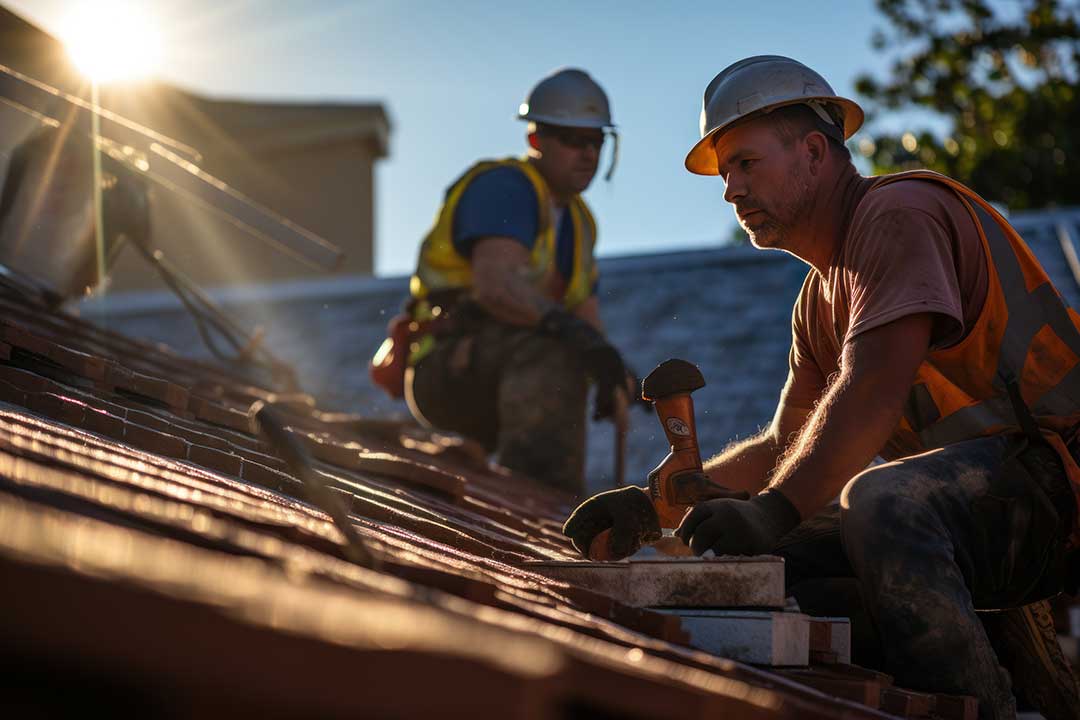
Heat also affects the attic. If warm air cannot escape, attic temperatures rise and increase stress on roofing materials. Poor ventilation does not always cause immediate leaks, but it can shorten material life and worsen winter ice-dam conditions.
Adequate attic ventilation works together with proper insulation and air sealing. Ventilation alone cannot compensate for significant air leakage from the living space into the attic.
Can rain cause roof damage even without a major storm?
Yes. Repeated ordinary rain can cause serious problems when water is allowed to remain in one area or enter through a small opening.
Roofs are most vulnerable where different materials meet. These areas include valleys, wall intersections, chimneys, vents, skylights, and roof edges. Clogged gutters can also send water behind fascia boards or against exterior walls.
Rain-related warning signs include:
- Water stains that grow after storms
- Drips near ceiling fixtures
- Damp attic wood
- Peeling or bubbling interior finishes
- Overflowing gutters
- Soil erosion below a downspout
- Water collecting on low-slope sections
A roof does not need to be visibly damaged across its entire surface to leak. One failed flashing joint or exposed fastener can be enough.
What should local residents check after severe weather?
After snow, ice, wind, or heavy rain, begin with observations from safe locations. Check attic spaces if they are accessible, but avoid stepping on areas where insulation may hide ceiling damage or weak decking.
Look for changes rather than expecting a dramatic failure. A single lifted shingle, a new ceiling mark, or a small amount of granule loss may indicate that weather has affected the roof’s protective layers.
Urgent conditions include:
- Active water entering the home
- A sagging ceiling
- A large section of missing roofing
- A fallen tree or heavy branch
- Exposed electrical wiring near water
- Significant roof movement or structural distortion
Water near electrical fixtures should be treated as a safety hazard. If a ceiling is bulging from trapped water, keep people away from the area and avoid puncturing it without understanding what may be above the ceiling.
How can weather-related roof damage be reduced?
Regular observation and basic maintenance can reduce the effects of seasonal weather. Keep gutters and downspouts clear, trim branches that threaten the roof, and monitor attic moisture and ventilation conditions.
Avoid using sharp tools to break ice from shingles. Do not pressure-wash roofing materials, and do not walk on cold, brittle, wet, or snow-covered surfaces. Any work involving steep slopes, ice, structural damage, or electrical hazards may require qualified assistance for safety and code-related reasons.
Weather cannot be controlled, but its effects can be recognized early. In a four-season climate, the most useful habit is to check the roof after major storms and again during spring thaw, when hidden winter damage often becomes visible.
