

Roof inspections are a way to identify damage, aging materials, and drainage problems before they develop into leaks or structural repairs. For homeowners in Boonville, NY, inspections are especially useful because roofs must withstand snow, ice, freeze-thaw cycles, wind, and heavy seasonal rainfall.
What does a roof inspection include?
A roof inspection is a systematic review of the roof system, not just a quick look at the shingles. A thorough inspection considers visible roofing materials, drainage components, attic conditions, and areas where water or air may enter the home.
A typical inspection may examine:
- Shingles, metal panels, membrane materials, or other roof coverings
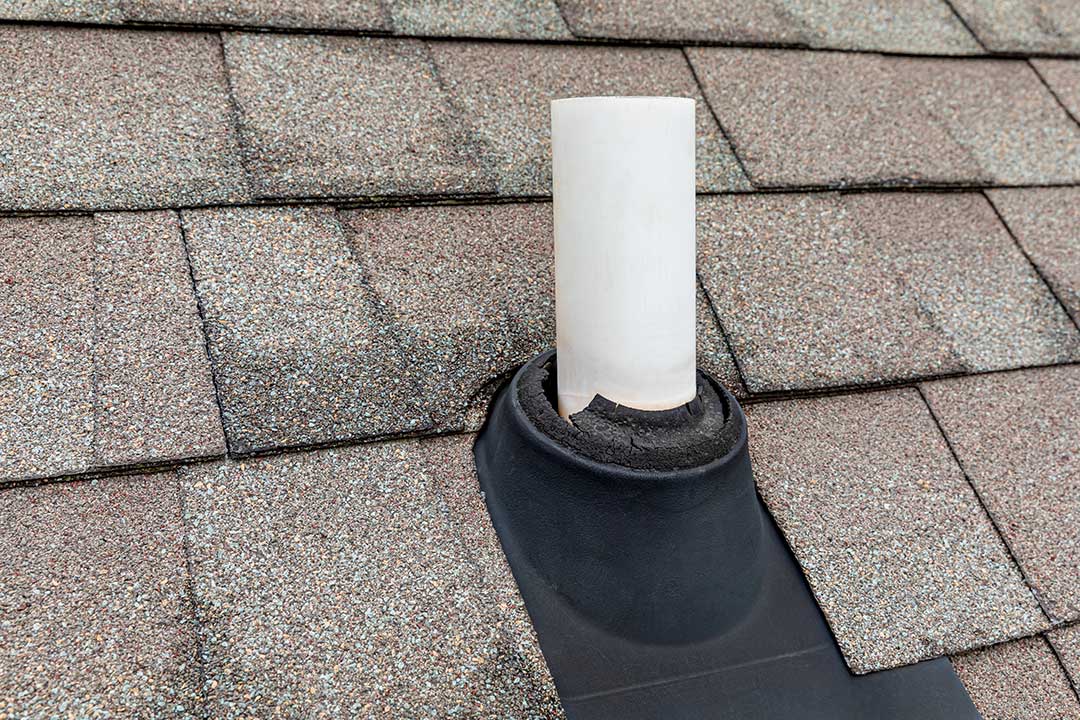
- Flashing around chimneys, vents, skylights, and wall intersections
- Valleys where two roof slopes meet
- Gutters, downspouts, and roof edges
- Ridge vents, soffit vents, and other ventilation components
- Attic insulation, moisture, staining, and daylight visible through the roof
- Signs of ice dams, wind damage, moss, algae, or animal entry
- Areas around additions, porches, dormers, and previous repairs
A roof can appear acceptable from the ground while still having problems around flashing, penetrations, or the underside of the roof deck. That is why an inspection should evaluate more than the most visible shingles.
How often should a home in Boonville be inspected?
Most homes benefit from a roof inspection at least once a year, along with an additional inspection after severe weather or an unusual winter. A practical schedule is a visual check in spring and another review in autumn before snow and ice become regular concerns.
Spring inspections can reveal:
- Missing or lifted shingles after winter winds
- Cracked flashing caused by freeze-thaw movement
- Granules collected in gutters
- Ice-dam-related staining or damaged edges
- Branch impact or other storm debris
- Damp insulation or roof-deck staining in the attic
An autumn inspection helps identify loose materials, blocked drainage, deteriorated sealants, and ventilation concerns before winter weather arrives. Roofs that are older, heavily shaded, steep, or surrounded by mature trees may need closer observation.
What can a homeowner safely inspect from the ground?
Many useful observations can be made without climbing onto the roof. Ground-level checks are safer and can identify conditions that deserve closer evaluation.
Look for:
- Shingles that are missing, curled, cracked, or visibly displaced
- Uneven roof lines or sagging areas
- Dark streaks, moss, or heavy organic growth
- Exposed underlayment or roof decking
- Rusted, bent, or separated flashing
- Gutters pulling away from the fascia
- Downspouts that discharge too close to the foundation
- Large amounts of shingle granules below roof slopes
- Tree limbs touching or hanging over the roof
- Water stains on exterior walls near roof intersections
Binoculars can help with distant areas, but they do not replace close inspection when damage is suspected. A ladder should not be placed on icy, wet, unstable, or snow-covered surfaces. Walking on a roof can damage materials and creates a fall risk, particularly on steep or damp slopes.
What should be checked inside the attic?
The attic often provides the clearest evidence of a developing roof problem. Inspecting the attic after rainfall or during a seasonal change can reveal moisture that is not yet visible on ceilings.
Look for:
- Brown or yellow water stains on rafters, sheathing, or insulation
- Damp or compressed insulation
- Mold-like growth or persistent musty odors
- Rust around nails or metal fasteners
- Daylight visible through the roof deck outside intended vents
- Frost or condensation on the underside of the roof
- Blocked soffit vents
- Bathroom or kitchen exhaust air being released into the attic
- Wet areas around chimneys, plumbing vents, and roof valleys
Not every attic stain means the roof covering is failing. Moisture can also come from condensation, inadequate ventilation, or an improperly directed exhaust fan. The source must be traced rather than assumed.
How do winter conditions affect roofs in the area?
Snow and ice place additional stress on roofs and drainage systems. Heavy snow can accumulate in roof valleys and near changes in roof height. Ice dams may form when heat escapes through the attic and melts snow on the warmer upper portions of the roof. The water can then refreeze near colder eaves and back up beneath roofing materials.
Warning signs include:
- Icicles forming repeatedly along one section of the eaves
- Water stains near exterior walls or ceiling edges
- Damp insulation near the roof perimeter
- Dripping during a thaw
- Gutter sections that bend or pull away from the home
- Repeated ice buildup in valleys or behind roof projections
Removing snow or ice from a roof can be dangerous and may damage shingles, flashing, or gutters if done improperly. Roof-edge conditions should be treated as a safety issue, especially during thawing and refreezing.
When does a small roof problem require prompt attention?
Some issues can be monitored, but others should be addressed quickly because water damage can spread beyond the original defect.
Prompt attention is appropriate when there is:
- Active water entering the home
- A ceiling stain that is expanding
- A visibly sagging roof area
- A large section of missing roofing
- Exposed roof decking or underlayment
- Damaged flashing around a chimney or vent
- A tree limb resting on the roof
- Electrical fixtures or wiring affected by a leak
- Mold-like growth accompanied by ongoing moisture
A container can catch dripping water temporarily, but it does not solve the source. Ceiling materials may become heavy when wet, and electrical components near water should not be handled until the area is safe.
How can homeowners distinguish aging from storm damage?
Age-related wear usually appears gradually and across broad areas. Shingles may lose granules, become brittle, or show widespread curling. Flashing and sealants may also deteriorate over time.
Storm damage is more likely to appear as a distinct event or pattern, such as:
- A group of missing or displaced shingles
- Torn tabs or exposed fastening areas
- Dents or impact marks after hail
- Freshly broken branches on or near the roof
- New leaks following high wind or driving rain
- Damage concentrated on one roof slope
The distinction is not always obvious. Old materials may fail during a storm, while wind can worsen a pre-existing weakness. Photographs, weather dates, attic observations, and records of previous repairs can help document what changed.
What should be included in a roof inspection report?
A useful report should describe observed conditions in plain language and identify locations rather than simply stating that the roof is “good” or “bad.” It should distinguish between immediate hazards, maintenance items, and conditions that can be monitored.
Helpful details include:
- Approximate age and type of roofing materials
- Areas inspected and areas that could not be safely accessed
- Photographs of significant findings
- Location and likely cause of visible damage
- Condition of flashing, drainage, and ventilation
- Evidence of active or past moisture
- Recommended priority for each issue
- Whether further evaluation is needed
A report should not imply certainty where the cause cannot be confirmed. For example, a ceiling stain may indicate roof leakage, condensation, or plumbing moisture until the area is examined more closely.
What maintenance helps prevent roof problems?
Regular maintenance does not eliminate the effects of severe weather, but it can reduce avoidable problems. Keep gutters and downspouts clear, trim branches that threaten the roof, and make sure attic ventilation is not blocked by insulation. Check that bathroom and kitchen exhaust systems discharge outdoors rather than into the attic.
After major snowfall, strong winds, or rapid thawing, inspect the attic and upper ceilings for new moisture. Keeping records of repairs, leaks, photographs, and roof age also makes future inspections more accurate.
For homeowners, the most useful approach is to treat inspection as ongoing observation rather than a one-time event. Small changes—such as a new ceiling mark, loose flashing, or unusual gutter debris—can provide an early warning before a minor roof defect becomes an interior water problem.
