
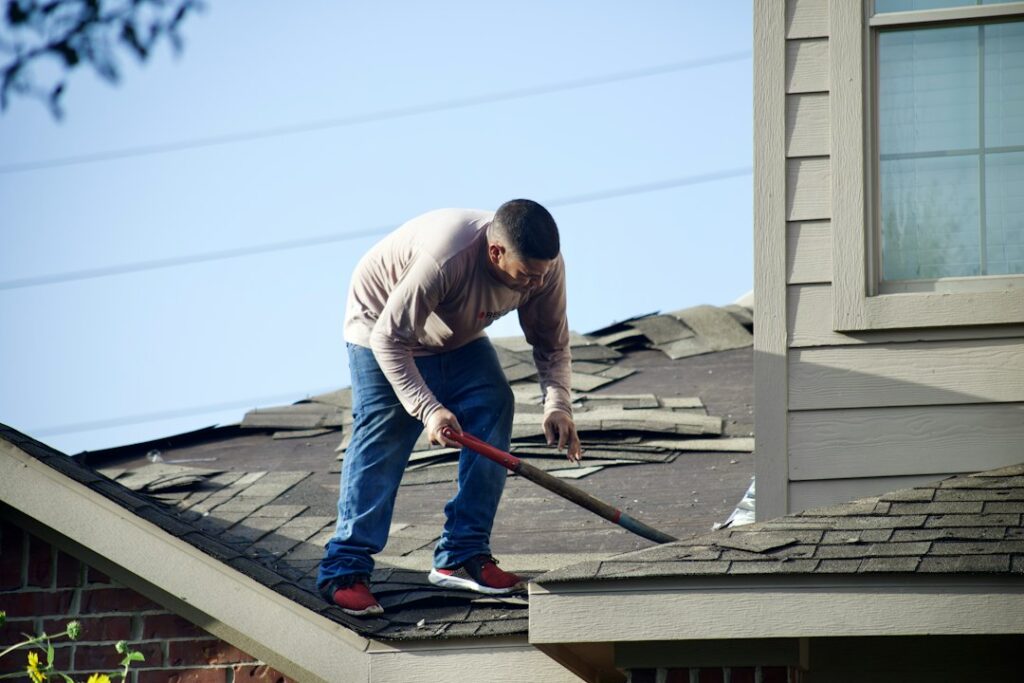
A roof in Boonville, NY has to withstand more than ordinary rainfall. Heavy snow, freeze-thaw cycles, wind, ice buildup, summer heat, falling branches, and moisture in the attic can all shorten the life of roofing materials. The most effective maintenance plan is not complicated, but it does require regular observation and timely correction of small problems.
What shortens a roof’s service life?
The main causes of premature roof aging are moisture, poor drainage, inadequate attic conditions, storm damage, and delayed repairs. Roofing materials usually deteriorate gradually, so problems may be present long before a ceiling stain appears.
Common sources of damage include:
- Missing, cracked, curled, or loose shingles
- Damaged flashing around chimneys, vents, skylights, and wall intersections
- Gutters that overflow or pull away from the roof edge
- Moss, leaves, and organic debris holding moisture against the roofing
- Ice dams caused by uneven roof temperatures
- Attic condensation from warm, humid air
- Tree limbs rubbing against shingles
- Repeated foot traffic on fragile roofing materials
A roof does not need to look severely damaged to be losing years of useful life. Small openings around flashing or a few lifted shingles can allow water into the roof deck, insulation, and framing.
How often should a roof be inspected?
Most homeowners should visually check the roof from the ground several times a year and arrange a closer inspection after major storms, high winds, or periods of heavy snow. Early spring is especially useful because winter damage may become visible as snow and ice retreat.
Look for:
- Shingles scattered in the yard or caught in gutters
- Dark areas that may indicate missing surface granules
- Sagging lines or uneven sections
- Exposed underlayment or roof deck
- Bent, rusted, or separated flashing
- Water marks on attic sheathing
- Damp insulation or a musty attic odor
Climbing onto a roof is risky, especially when surfaces are wet, icy, steep, or covered with loose granules. A ground-level inspection, attic check, and review of visible roof edges can reveal many warning signs without walking on the roof.
Why are gutters important to roof life?
Clean, properly draining gutters help move water away from the roof edge, siding, foundation, and attic-facing wall areas. Clogged or sagging gutters can allow water to back up beneath shingles or soak the wood along the eaves.
Gutters should be checked in spring and late fall, with additional checks if nearby trees shed heavily. Remove leaves, twigs, roof granules, and compacted debris. Confirm that downspouts discharge water well away from the foundation and that water is not spilling over one section during rain.
In snowy areas, gutters also affect ice buildup. They should not be treated as the sole cause of ice dams, but blocked drainage can make winter water problems worse. Gutter guards may reduce debris, but they still require inspection and cleaning.
How can ice dams be reduced?
Ice dams form when heat escapes into the attic and warms the underside of the roof. Snow melts on the warmer upper roof, flows toward the colder eaves, and refreezes. The resulting ice buildup can force water beneath shingles.
The lasting solution is usually improving the attic’s thermal and air control rather than simply removing visible ice. Helpful measures include:
- Sealing air leaks around the attic hatch, plumbing penetrations, wiring holes, and recessed fixtures
- Keeping insulation evenly distributed
- Maintaining clear soffit and ridge or other designed ventilation paths
- Ensuring bathroom and kitchen exhaust vents discharge outdoors rather than into the attic
- Checking for areas where snow melts unusually quickly
Removing snow from the roof can reduce weight during severe accumulation, but tools and ladders can damage shingles or put people at serious risk. Chipping ice with a hammer or shovel can be especially destructive. Heated cables may address a limited problem but do not correct heat loss or poor attic ventilation.
Does attic ventilation really extend roof life?
Proper attic ventilation helps control heat and moisture, but ventilation alone is not a cure for every roof problem. A balanced system generally allows cooler air to enter near the eaves and warmer air to leave through properly designed upper vents.
Poor attic conditions can contribute to:
- Condensation on nails and roof sheathing
- Mold or wood decay
- Compressed or wet insulation
- Uneven roof temperatures
- Ice dams
- Premature aging of shingles
Adding a powered fan without understanding the existing airflow can create problems by drawing conditioned air from the living space or pulling air through unintended openings. Attic ventilation should be considered together with insulation, air sealing, and exhaust-duct design.
What should homeowners do about moss and algae?

Moss should not be ignored when it grows thickly along shingle edges or in shaded, damp areas. Its roots and retained moisture can lift roofing materials and slow drying after rain or snowmelt.
Avoid pressure washing, scraping aggressively, or using improvised chemicals. These methods can remove protective granules and shorten shingle life. Keep overhanging branches trimmed where practical, improve sunlight and airflow, and remove organic debris carefully. Any cleaning method should be compatible with the specific roofing material.
Light discoloration is not always structural damage. Dark streaks may be algae staining rather than moss, while heavy green growth is more likely to create physical problems.
How should a roof be prepared for winter?
Winter preparation is most effective before the first major snow. Check the roof edge, gutters, flashing, attic, and nearby trees during the fall.
Useful preparation includes:
- Clearing gutters and downspouts
- Removing leaves from roof valleys
- Trimming dead or weak branches near the house
- Securing loose flashing and exposed roofing materials
- Checking attic insulation and visible moisture
- Confirming that exhaust fans vent outdoors
- Photographing visible roof areas for comparison after storms
Snow should not be allowed to accumulate indefinitely if the roof shows signs of sagging, structural distress, or unusually heavy loading. Snow removal from a roof is hazardous and can damage the covering, so unsafe conditions require appropriate assistance.
Which roof repairs should not be delayed?
Some defects deserve prompt attention because they can spread quickly:
- Active leaks or water entering the attic
- Sagging roof surfaces
- Large areas of missing or wind-damaged shingles
- Exposed roof decking
- Split or displaced flashing
- Repeated ice-dam leaks
- Wet insulation or decaying structural wood
- Damage after a fallen branch
A temporary patch may limit water entry, but it should not hide the underlying issue. Roofing materials, fasteners, flashing, and underlayment must work as a system. Replacing only the most visible piece may not solve a leak that originates several feet away.
What maintenance schedule works best?
A simple yearly routine can prevent many avoidable problems:
Spring: Inspect for winter damage, clean gutters, check attic moisture, and look for displaced shingles.
Summer: Examine flashing, trim branches, remove debris, and watch for signs of heat or ventilation problems.
Fall: Clean gutters again, clear valleys, inspect roof edges, and prepare the attic for cold weather.
After severe weather: Look for missing materials, exposed surfaces, fallen branches, and new interior stains.
The goal is not to make an aging roof look new. It is to keep water moving in the intended direction, maintain a dry and well-controlled attic, reduce winter stress, and address small failures before they become structural damage.
