
How Does Homeowner’s Insurance Cover Your Roof?
Homeowner’s insurance usually covers damage to your roof caused by sudden, accidental events—things like wind storms, hail, fire, or falling branches. However, it generally does not pay for repairs due to wear and tear, lack of maintenance, or old age. In Boonville, NY, where harsh winters and heavy snow loads are common, most insurance policies treat ice dams and damage from severe snowfalls as potentially claim-worthy events—if the damage is sudden and not a result of neglected upkeep.
Some policies may cap how much they’ll pay based on the age or condition of your roof. For example, if your shingles are 20+ years old and a wind storm blows them off, the payout might reflect your roof’s depreciated value, not the cost of brand-new materials.
What Types of Roof Damage Are Typically Covered in Boonville?
Covered events often include:
- Windstorms or severe thunderstorms (common in early spring and fall)
- Ice or heavy snow causing roof collapse or leaks if maintenance has otherwise been reasonable
- Fire damage
- Damage from falling trees or large limbs, especially after heavy snow or wind
- Hailstorms (less frequent in Boonville but not impossible)
Not covered: gradual leaks from old shingles, mold or rot from long-term moisture, or routine aging. If damage happens because of improper installation or a neglected repair, insurance companies may deny the claim.
How Does the Climate in Boonville Affect Claims and Coverage?
Boonville sees long winters, variable freeze-thaw cycles, and heavy snowfall. Insurers in this area often look closely at whether homeowners have taken steps to prevent ice dams and snow accumulation. For instance, if water backs up under shingles due to ice dams and causes interior leaks, adjusters will check for blocked gutters, excessive attic heat loss, or poor insulation—factors a homeowner can control.
Heavy snow on older, flatter roofs is a recurring local concern. If an older roof collapses under the weight and hasn’t been maintained, insurance companies may only pay a portion—or decline coverage. Proper insulation, regular snow removal when safe, and keeping drainage clear can help support future claims.
How Do Insurance Adjusters Assess Roof Damage?
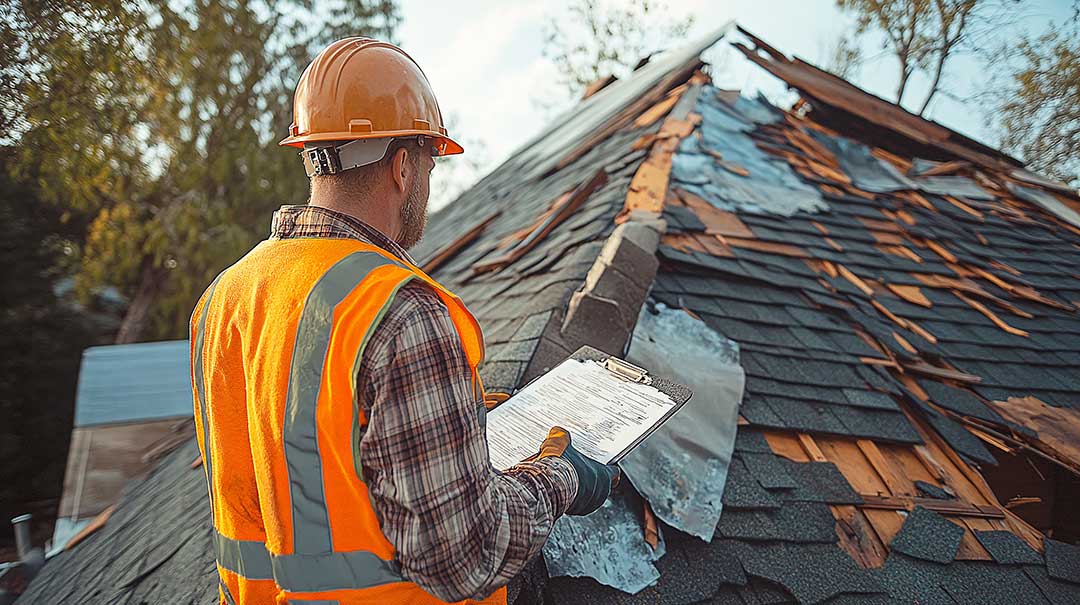
After a claim is filed, an insurance adjuster will inspect the roof to determine:
- Whether the damage was sudden or ongoing
- The roofing material’s age and life expectancy
- Signs of wear, poor maintenance, or improper past repairs
- Whether repairs were made after previous storms or if earlier issues were left unresolved
In Boonville, local adjusters are familiar with common storm patterns and roof types. They often look for tell-tale signs of ice damming, typical wind uplift patterns on shingles, and evidence that the roof was reasonably cared for in this northern climate.
Will My Policy Pay for a Full Roof Replacement?
It depends on your policy and the roof’s age. Newer roofs (generally less than 10-15 years old) that suffer accidental damage are often replaced at full value, especially if made from standard materials like asphalt shingles typical of Boonville homes. Older roofs may be subject to a payout based on depreciated value—meaning the check may be far less than the cost for a full replacement.
Reviewing your policy for “replacement cost value” (RCV) versus “actual cash value” (ACV) is key. RCV covers the cost of a new roof with no deduction for depreciation, while ACV only pays what your old roof was worth at the time of loss. High winds and snow can take a toll on area roofs, so understanding this difference can make a major impact after a storm.
What Documentation Should Boonville Homeowners Keep?
Keeping records can speed up claims and help you avoid disputes. Useful documentation includes:
- Original construction or installation paperwork
- Invoices or receipts from repairs, upgrades, or inspections
- Photos or videos of the roof and attic—take these annually and after any big weather event
- Notes from contractors with detailed descriptions of repairs
If a storm causes damage, photograph all affected areas before making temporary safety repairs (such as covering leaks with tarps). Local insurers expect you to make efforts to prevent further damage, but solid documentation is crucial for a fair claim review.
What Are Common Misunderstandings About Roof Coverage?
Many area homeowners assume insurance will pay for any leak or lost shingle. In reality, home insurance is really “sudden event” coverage. Wear and tear from Boonville’s tough winters is considered a maintenance issue. Ignoring snow pile-up, missing shingles, or blocked gutters can result in denied claims.
Another misconception: “If I file a claim, my premium will skyrocket.” While one claim rarely doubles your rates, frequent claims or multiple weather losses can impact future insurability in smaller communities.
How Can Residents Maximize the Chances of a Successful Claim?
To give claims the best chance:
- Address minor repairs promptly before storms arrive
- Remove snow safely from the roof’s edge if conditions allow
- Insulate and ventilate attics to prevent ice dams
- Conduct an annual roof check each spring or autumn
- Save all paperwork and snap photos regularly
If in doubt after a storm, reviewing your policy and documenting everything is essential. For bigger issues like collapsed sections or serious injuries, it’s always wise to check municipal guidance or public safety agencies for local requirements and safe practices.
