
How Does a Roof Affect Indoor Allergens?
The roof serves as a home’s main barrier against outdoor elements, but it can also influence what enters the indoor air. In Boonville, NY, climate factors like frequent rain, heavy snow, and high humidity can lead to roof problems that allow pollen, mold, and dust into living spaces. A new roof, when installed properly, can help limit these sources of allergens and support a healthier home environment.
Most residents think about energy efficiency or leaks when replacing an old roof, but few realize the impact a roof has on allergens. Old, weathered, or damaged roofing can allow moisture and outside debris to enter the attic, where they contribute to dust, mold growth, and the spread of pollen. Addressing roofing issues is an effective step toward controlling indoor air quality—especially for allergy-sensitive households.
How Do Older Roofs Promote Allergen Buildup?
Worn or damaged roofing materials often allow water to seep into ceilings and attics. Persistent dampness leads to mold and mildew, which release spores into the air and can quickly spread throughout the house. In Boonville’s humid summers and snowy winters, moisture problems are common, particularly in older homes with aging roofing and limited ventilation.
Additionally, roof leaks and gaps around flashing or vents may bring in pollen, dust, and outdoor dirt. Poorly ventilated attics amplify these challenges, creating a dusty, damp environment that encourages both mold and dust mite populations.
Common trouble spots in older roofs include:
- Cracked or missing shingles
- Failing flashing around chimneys and vents
- Leftover organic debris collecting in gutters and roof valleys
- Insufficient roof ventilation, leading to trapped humidity
These issues often go unnoticed until allergy symptoms worsen, or serious water damage becomes visible indoors.
What Changes When a New Roof Is Installed?
A new roof eliminates many pathways for moisture, pollen, and particulate matter to enter the house. Modern roofing systems are designed with improved underlayments, tighter seals, and more effective attic ventilation. These features provide significant benefits for controlling allergens indoors, especially in climates like Boonville’s where roofs endure substantial seasonal stress.
Improvements from a new roof might include:
- Better barriers against water leaks, preventing conditions for mold growth
- High-quality venting systems that promote airflow and discourage dust buildup
- Up-to-date attic insulation to trap attic pollutants from circulating into living areas
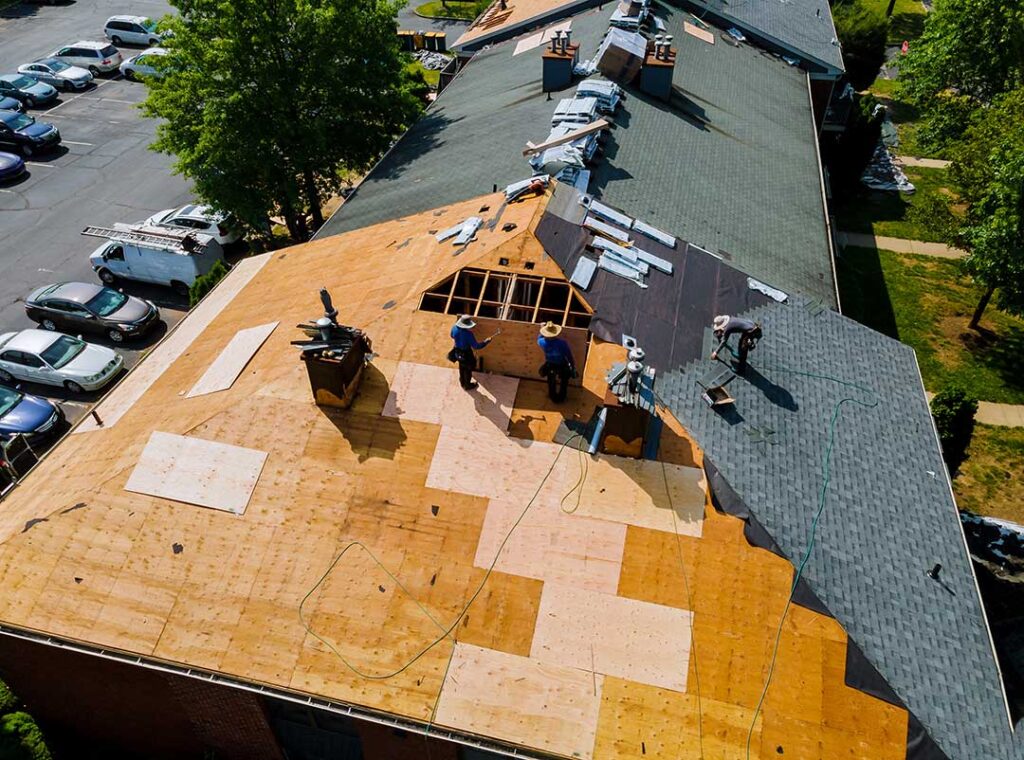
The removal of old roofing materials also eliminates dust, mold spores, and pollen that may have accumulated on or beneath worn shingles over years. The installation process, if done using clean practices, can further reduce airborne dust released inside the home.
Can Proper Roof Ventilation Make a Difference?
Roof ventilation plays a major role in maintaining air quality indoors. Inadequate ventilation traps humidity and fosters an environment where mold and dust mites thrive. With Boonville’s cold winters and muggy summers, proper airflow in the attic keeps the structure dry and less prone to allergen growth.
A new roof typically incorporates modern ridge or soffit vents, which help expel moist air while drawing in fresh air from outside. This process:
- Limits the buildup of moisture in attic spaces
- Reduces opportunities for mold colonization
- Helps keep dust and insulation particles from migrating into main living areas
Area households with allergy sufferers often notice improvement in breathing comfort when these ventilation issues are resolved.
How Do Roofing Materials Impact Allergen Control?
Materials chosen for a new roof can affect how much dust and organic debris accumulate. Some traditional roofing materials, like wood shakes, are prone to trapping pollen and supporting mold growth if not maintained carefully. Modern options like architectural asphalt shingles and certain synthetic products are less likely to retain moisture and organic matter.
Gutters and drip edges, which are usually replaced during a new roof installation, also play a role. Clean, well-designed gutters move water away from the home more efficiently, reducing the chance of leaks and mold-prone dampness near attic openings.
Choosing durable and low-maintenance materials helps limit future sources of allergens and eases regular upkeep for local residents.
Are There Other Oversights that Can Undermine Allergen Reduction?
Residents sometimes overlook simple, practical steps that further reduce allergens when installing a new roof:
- Replacing or thoroughly cleaning attic insulation that may be contaminated by previous leaks or mold growth
- Thoroughly sealing any remaining gaps around attic hatches, exhaust fans, or vent pipes
- Ensuring that professional installation practices include minimizing indoor dust migration during work
Some households in Boonville find it beneficial to coordinate roof replacement with attic deep cleaning or sealing projects for the best indoor air results.
Do New Roofs Eliminate Allergens Entirely?
No single project can guarantee a completely allergen-free home, but a new roof provides a meaningful improvement—especially for houses with previous leaks, visible mold, or poor ventilation. Residents experiencing persistent allergy symptoms can benefit from considering the roof as a key factor in indoor air health, alongside other home maintenance measures like regular HVAC filter changes and diligent cleaning.
By addressing not just leaks but also airflow, insulation, and the condition of attic spaces, installing a new roof is a practical and locally relevant solution for managing allergen levels in Boonville homes.
