
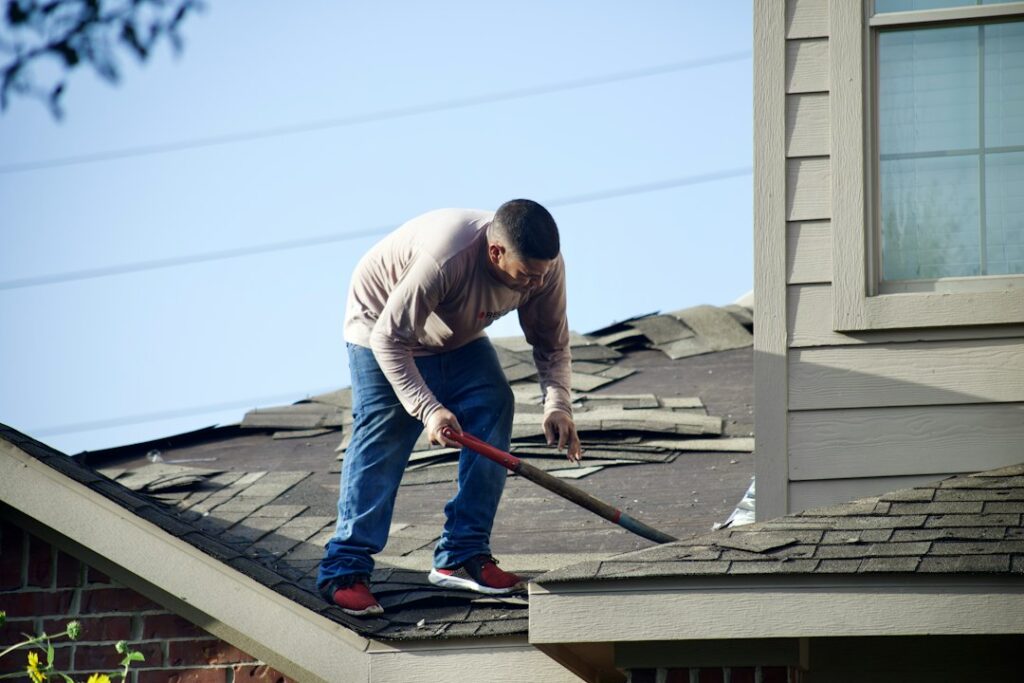
What roof maintenance can a homeowner safely do?
Most roof maintenance involves observation, cleaning from ground level, and preventing small problems from becoming leaks. Homeowners can often inspect visible roof surfaces, clear gutters, trim nearby branches, check attic conditions, and document changes without climbing onto the roof.
In Boonville, NY, roofs must handle snow, freeze-thaw cycles, wind, rain, and occasional ice buildup. Those repeated weather changes can loosen flashing, strain gutters, create blocked drainage, and worsen small defects. A simple maintenance routine is especially useful for older homes and properties surrounded by trees.
Roof work becomes hazardous when it involves steep slopes, wet or icy surfaces, electrical lines, unstable ladders, or damage that cannot be reached safely from the ground. In those situations, staying off the roof is the safest choice.
How often should a roof be checked?
A practical schedule is to inspect the roof and drainage system at least twice each year: once in spring and again in early fall. Additional checks are worthwhile after heavy wind, a major snow event, or prolonged rain.
A spring inspection should look for winter damage, including:
- Missing, lifted, cracked, or curled shingles
- Bent or separated metal flashing
- Damaged vent covers or pipe boots
- Sagging gutters or loose downspouts
- Granules collected in gutters
- Stains or damp areas in the attic
- Branches, leaves, and other debris on the roof
The fall inspection should focus on preparation for snow and ice. Clean drainage paths, remove leaves, check attic ventilation, and make sure water can move away from the foundation before freezing weather arrives.
A pair of binoculars is useful for viewing roof edges, ridges, valleys, and flashing from the ground. Taking photographs from the same locations each season can help reveal gradual changes.
How can gutters and downspouts protect the roof?
Gutters help move water away from the roof edge, siding, foundation, and nearby walkways. They cannot perform that job if they are packed with leaves or pulled away from the fascia.
Before cleaning, use a stable ladder on firm, level ground and keep both hands available whenever possible. Do not lean beyond the ladder’s side rails. A long-handled tool may allow light debris to be removed from the ground, reducing the need to climb.
Check that:
- Gutters are securely attached and do not sag
- Water flows toward the downspouts
- Downspouts remain connected
- Outlet extensions direct water away from the foundation
- No seams or end caps are leaking
- Ice has not forced sections apart
Downspouts should not discharge beside the foundation. In winter, water that freezes near a walkway can also create a slipping hazard. Keep the drainage path clear of soil, leaves, and other obstructions.
Should moss, algae, or leaves be removed from the roof?
Light debris should be removed carefully, but aggressive scraping can damage shingles. Leaves and small branches can often be cleared from the ground with a soft roof rake or long-handled tool designed for the purpose. Avoid metal tools that can tear shingle surfaces.
Moss is more than a cosmetic concern. It can hold moisture against shingles, lift their edges, and interfere with water shedding. Pulling moss off by hand may remove protective granules and worsen the damage. Do not use a pressure washer on asphalt shingles.
If moss is extensive, growing across multiple roof areas, or attached to a steep slope, the safest approach is to avoid climbing and treat the condition as a roof-access hazard. Nearby tree limbs should also be kept from rubbing against the roof or dropping large amounts of debris.
What should homeowners check in the attic?
An attic inspection can reveal roof problems before they appear on ceilings or walls. Choose a dry day and use a flashlight. Look for damp insulation, dark staining, mold-like growth, rusted fasteners, or daylight visible through the roof decking.
Pay attention to the underside of roof valleys, areas around chimneys and vent pipes, and places where two roof sections meet. These locations often require flashing and are more likely to show signs of water entry.

Also check for excessive warmth, frost, or condensation. Moist indoor air can move into a cold attic and condense on roof materials during winter. Bathroom and kitchen exhaust fans should vent outdoors rather than into the attic. Blocked soffit vents, covered insulation, and inadequate airflow can contribute to moisture problems.
A roof leak may not appear directly below the damaged area. Water can travel along rafters or roof decking before reaching the ceiling, so the location of an indoor stain is not always the location of the roof defect.
How should a roof be prepared for snow and ice?
Snow should not be allowed to accumulate indefinitely on a roof without observation, but removing it from a sloped roof can be dangerous. Homeowners should never climb onto a snow-covered or icy roof. If snow removal is necessary, a roof rake used from the ground may reduce the load near the eaves, but pulling too aggressively can damage shingles and gutters.
Ice dams form when heat escapes into the attic and melts snow on warmer roof sections. The water can refreeze near colder eaves, creating a ridge of ice that blocks drainage. Better attic insulation, air sealing, and ventilation can help reduce the conditions that cause ice dams.
Do not chip ice with a hammer, shovel, or other sharp tool. Avoid applying salt or chemical products that may damage roofing, plants, metal, or masonry. Large ice formations, repeated leaks, and heavy snow loads require a cautious assessment because both roof access and falling ice can be dangerous.
What roof problems need prompt attention?
Some warning signs should not wait for the next seasonal inspection:
- A ceiling stain that grows after rain
- Water dripping into the attic or living space
- A visibly sagging roof area
- Large sections of missing or lifted shingles
- Loose flashing around a chimney, skylight, or vent
- A gutter filled with unusually large amounts of shingle granules
- Exposed underlayment or roof decking
- Damage caused by a fallen limb
- Ice or snow pressing against vents or creating structural strain
Place a container under an active drip and move furniture or stored belongings away from the area. Do not puncture a ceiling bubble unless there is an immediate safety reason and the area can be approached safely. Wet electrical fixtures and wiring present a separate hazard.
What common DIY mistakes should be avoided?
The most frequent maintenance mistakes involve unsafe access or overly aggressive cleaning. Walking on shingles can loosen granules and crack brittle materials, especially during cold weather. Pressure washing can strip protective surfaces. Painting over stains may hide evidence of an active leak without correcting the cause.
Avoid placing heavy equipment on the roof, sealing every visible gap with household caulk, or covering ventilation openings to stop drafts. Roof systems need controlled ventilation, and improper sealing can redirect water into walls or attic spaces.
Keep written notes about inspection dates, photographs, leaks, repairs, and storm events. This record helps distinguish new damage from older conditions and makes seasonal maintenance more consistent. For households in the area, that habit is often more valuable than attempting complex roof repairs without the right equipment or training.
