
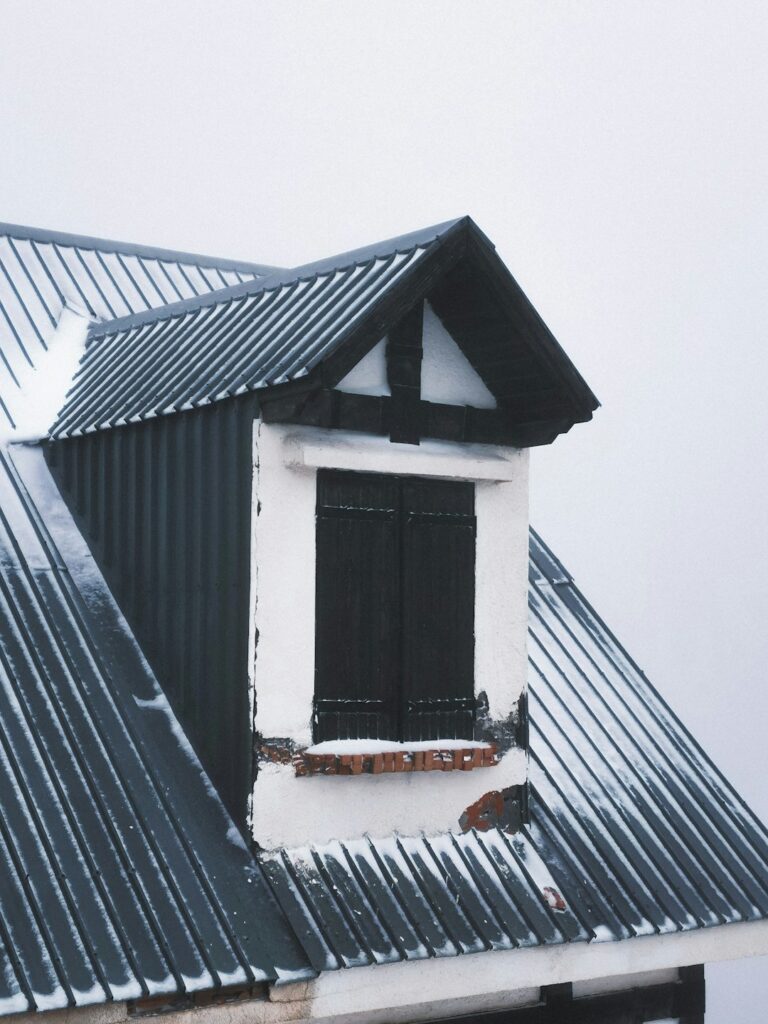
Roofing materials affect much more than appearance. The right choice influences winter performance, maintenance, attic temperature, structural loading, repair options, and how well a home handles snow, ice, wind, and repeated freeze-thaw cycles. For households in Boonville, NY, the most useful comparison is not simply which material lasts longest, but which material fits the home’s roof design, budget, structure, and maintenance expectations.
Which roofing materials are most common?
Asphalt shingles, metal roofing, wood products, slate, and synthetic materials are the main options found on residential roofs. Each has genuine advantages, but none is ideal for every house.
The most common choices include:
- Asphalt shingles: Usually the most accessible and economical option.
- Metal roofing: Lightweight, durable, and available in panels or shingle-style designs.
- Wood shingles and shakes: Attractive and traditional, but maintenance-sensitive.
- Slate: Extremely durable and visually distinctive, but heavy and expensive.
- Synthetic roofing: Designed to imitate slate, wood, or other materials with less weight.
- Clay or concrete tile: Long-lasting but generally heavy and less common on homes designed for lighter roofing.
A roof’s slope, framing, ventilation, flashing, and underlayment matter just as much as the visible surface. A high-quality material can still perform poorly if water drainage, ice protection, or installation details are inadequate.
What are the pros and cons of asphalt shingles?
Asphalt shingles are popular because they offer a practical balance of cost, appearance, availability, and repairability. They are suitable for many steep-slope residential roofs and come in a wide range of colors and profiles.
Advantages include:
- Lower initial cost than most premium roofing materials
- Relatively straightforward installation and repair
- Broad availability in standard and architectural styles
- Moderate weight compared with slate, tile, and some other materials
- Compatibility with many existing roof designs
Architectural asphalt shingles are thicker and more dimensional than basic three-tab products. They can provide a more substantial appearance and may offer better wind and impact ratings, depending on the product.
Limitations include:
- Shorter service life than slate, metal, or well-maintained tile
- Vulnerability to granule loss, cracking, curling, and wind damage as the roof ages
- Performance can be affected by rapid temperature changes
- Dark colors may absorb more summer heat
- Ice dams can still cause leaks if insulation, ventilation, and eave protection are inadequate
Asphalt shingles are often the simplest option for an existing home, but the material alone does not prevent winter leaks. In snowy conditions, the roof assembly needs proper water-shedding details near eaves, valleys, chimneys, skylights, and wall intersections.
Is metal roofing a good choice for snowy conditions?
Metal roofing can perform well in areas with heavy snow, strong winds, and frequent freeze-thaw cycles. It is lightweight for its strength, resists many forms of weathering, and can last considerably longer than standard asphalt shingles when properly installed.
Common benefits include:
- Long service life
- Low water absorption
- Resistance to rot, insects, and many biological growth problems
- Lightweight construction
- Good performance under rain, wind, and snow
- Compatibility with steep roof designs
Snow may slide rapidly from smooth metal surfaces, which can be helpful in some situations but hazardous above entrances, walkways, decks, or lower roofs. Snow guards or other retention details may be needed where falling snow could create a safety problem.
Metal roofing also has drawbacks. It can cost more initially, and repairs may be more specialized. Improperly fastened panels can allow movement, loosened screws, or water entry. Metal roofs may also amplify rain or hail sounds if the assembly lacks adequate insulation or solid decking. Coatings can fade or wear over time, and dissimilar metals should not be placed together without appropriate separation.
A metal roof should not be judged only by whether it is standing-seam or exposed-fastener. The quality of the panels, fasteners, flashing, underlayment, ventilation, and snow-management details all affect performance.
Are slate and tile roofs practical for local homes?
Slate can last for many decades and sometimes far longer when the material and supporting structure are sound. It is fire-resistant, highly resistant to rot, and relatively stable through repeated weather changes. Its appearance also changes gradually rather than looking worn in the same way as many manufactured materials.
The main concern is weight. Slate is much heavier than asphalt shingles and requires framing designed to carry it. Replacing an existing lightweight roof with slate is not simply a matter of selecting a different surface. The structure may need evaluation before the change.
Slate can also be difficult to repair if matching pieces are unavailable. Walking on it can cause breakage, and careless repairs may damage surrounding courses.

Clay and concrete tile share some of slate’s strengths, including long life and resistance to many weathering problems. Their disadvantages are similar: substantial weight, higher installation cost, and the possibility of cracking from impact or improper handling. Their shape can also make snow and ice behavior different from that of shingles or metal.
What should homeowners know about wood shingles and shakes?
Wood roofing can complement older homes, cabins, and houses with a traditional architectural style. Cedar products may weather attractively and can provide a natural appearance that manufactured materials do not fully reproduce.
However, wood requires more attention to moisture management. Persistent dampness, poor airflow, leaves, moss, and debris can accelerate decay. Wood shingles and shakes may also be vulnerable to fire, insects, splitting, and surface weathering.
The distinction between shingles and shakes is useful. Shingles are generally sawn and have a more uniform appearance, while shakes are often split and appear more textured. Both require careful detailing around valleys, chimneys, roof edges, and penetrations.
Wood roofing is usually a poor fit for a home where the owner wants minimal maintenance. Its success depends heavily on roof ventilation, sunlight, drainage, spacing, and regular removal of organic debris.
Are synthetic roofing materials worth considering?
Synthetic roofing products are made to resemble slate, wood, or other traditional materials while reducing weight and, in some cases, simplifying installation. They may be useful when a homeowner wants a particular appearance without adding the structural load of natural slate or tile.
Potential benefits include:
- Lower weight than many natural materials
- Resistance to rot and insect damage
- Consistent shape and color
- Easier handling than stone products
- A longer expected life than basic asphalt shingles for some products
The main challenge is product variation. “Synthetic roofing” covers many different formulations, thicknesses, impact ratings, and installation systems. Some products age well, while others may fade, become brittle, or be difficult to match during repairs. Long-term performance information may also be less extensive than for established materials.
The warranty should not be treated as a substitute for performance research. It is useful to understand what is covered, who is responsible for labor, and what maintenance or installation conditions could limit coverage.
How should snow, ice, and roof weight affect the decision?
In this region, winter conditions deserve more attention than color or curb appeal. A roofing material should be evaluated alongside the entire roof system.
Important questions include:
- Can the roof framing carry the material and expected snow loads?
- Is the roof steep enough to drain water effectively?
- Are valleys, eaves, chimneys, and wall intersections protected from ice backup?
- Is the attic adequately insulated and ventilated?
- Could sliding snow threaten doors, walkways, lower roofs, or landscaping?
- Are gutters and downspouts positioned to manage melting snow and ice?
No roofing material eliminates ice dams by itself. Ice dams are commonly connected to heat loss, uneven roof temperatures, inadequate air sealing, ventilation problems, and weather conditions. A durable roof covering can still leak if water backs up beneath it.
Which roofing material is the best overall choice?
For many existing homes, asphalt shingles remain the most practical choice because they balance cost, appearance, weight, and repairability. Metal may be a stronger long-term option where durability, snow shedding, and reduced maintenance are priorities. Slate, tile, and wood can make sense when the home’s structure, design, and maintenance expectations support them. Synthetic materials may bridge the gap between appearance, weight, and durability.
The best comparison is based on the whole roof system rather than the material sample alone. Roof slope, structural capacity, attic conditions, flashing, underlayment, local winter exposure, and the owner’s willingness to maintain the surface should all be considered before choosing.
